
In poker, success depends on more than luck; it is shaped by observation, discipline, and strategic thinking. Players who consistently improve their decision-making process tend to find more winning opportunities over time. One of the most important modern concepts in competitive play is gto, which helps players maintain balance in their actions and reduce predictability. By understanding structured approaches and applying them with flexibility, players can build a stronger foundation for long-term success. Smart poker strategies are not about quick wins but about making consistent, well-calculated moves that increase overall profitability.
Understanding Smart Poker Strategies
Smart poker strategies involve a combination of probability awareness, opponent reading, and controlled aggression. Instead of relying on instinct alone, players analyze patterns and adjust their play style based on table dynamics. This approach allows for more consistent decision-making across different game situations. Successful players focus on long-term outcomes rather than individual hands, ensuring that each move contributes to overall strategy. By studying betting behavior, position advantages, and risk management, players can reduce costly mistakes. The key is to remain adaptable while maintaining a structured approach that supports both defensive and offensive plays. Over time, this mindset improves confidence and creates more opportunities to capitalize on opponents’ weaknesses. Ultimately, disciplined thinking consistently leads to stronger performance results over time naturally.
Key Elements of Smart Poker Thinking
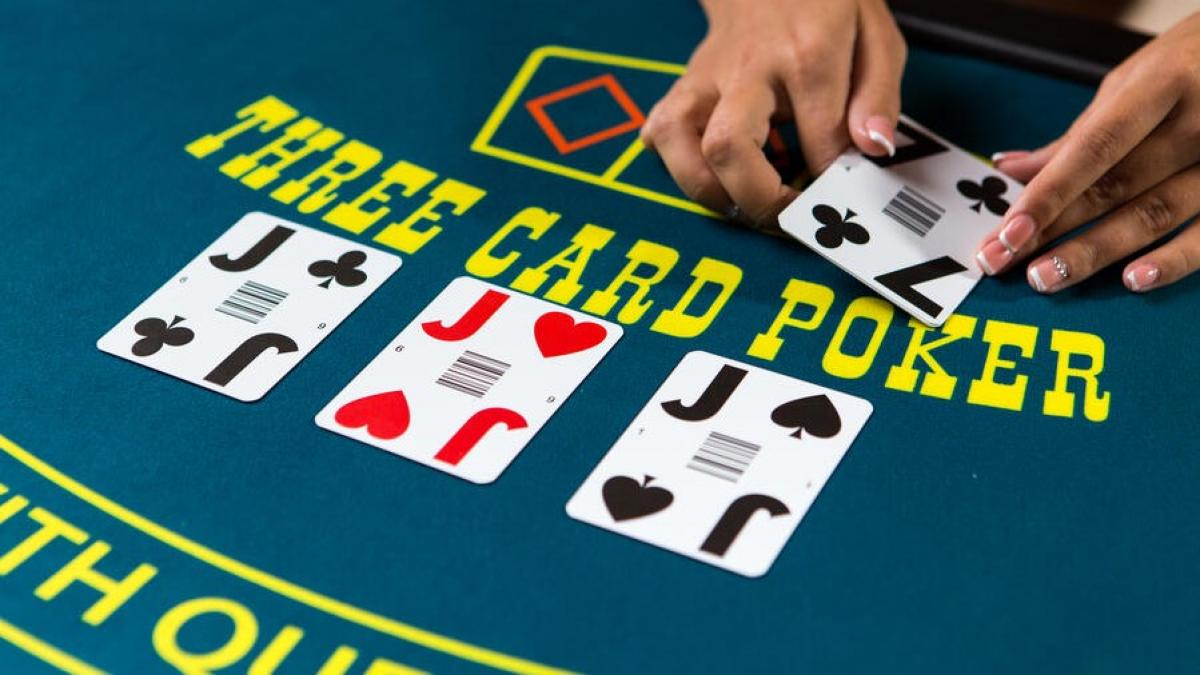
In modern poker, building a smart strategy requires understanding core principles that guide every decision. Players must combine analytical thinking with emotional control to maintain consistency during gameplay. Each decision should be evaluated based on risk, position, and opponent tendencies, creating a balanced approach that improves long-term outcomes. This helps players stay competitive in varied game environments effectively over time.
- Observe opponent patterns to predict future betting behavior accurately
- Manage bankroll carefully to sustain long-term consistent gameplay success
- Use position advantage to make more informed strategic decisions
- Adjust aggression levels based on table dynamics and pressure
- Maintain emotional discipline to avoid costly impulsive mistakes
- Review hand histories to identify improvement opportunities over time
Adapting Strategy for Better Results
Adapting strategy in poker is essential for maintaining a competitive edge. No single approach works in every situation, so players must continuously adjust their tactics based on changing table conditions. Observing opponents, recognizing betting trends, and responding with calculated moves helps maximize winning opportunities. Flexibility ensures that a player is not easily predictable, making it harder for opponents to exploit weaknesses. By staying aware and responsive, players can turn challenging situations into profitable outcomes while improving overall decision-making skills effectively.
Conclusion
Overall, smart poker success comes from discipline, observation, and continuous learning. Players who apply structured thinking and adapt to different situations can significantly improve their performance. With consistent practice and strategic awareness, every decision becomes an opportunity to grow, refine skills, and achieve better winning results in the long run for sustained improvement always consistently.